
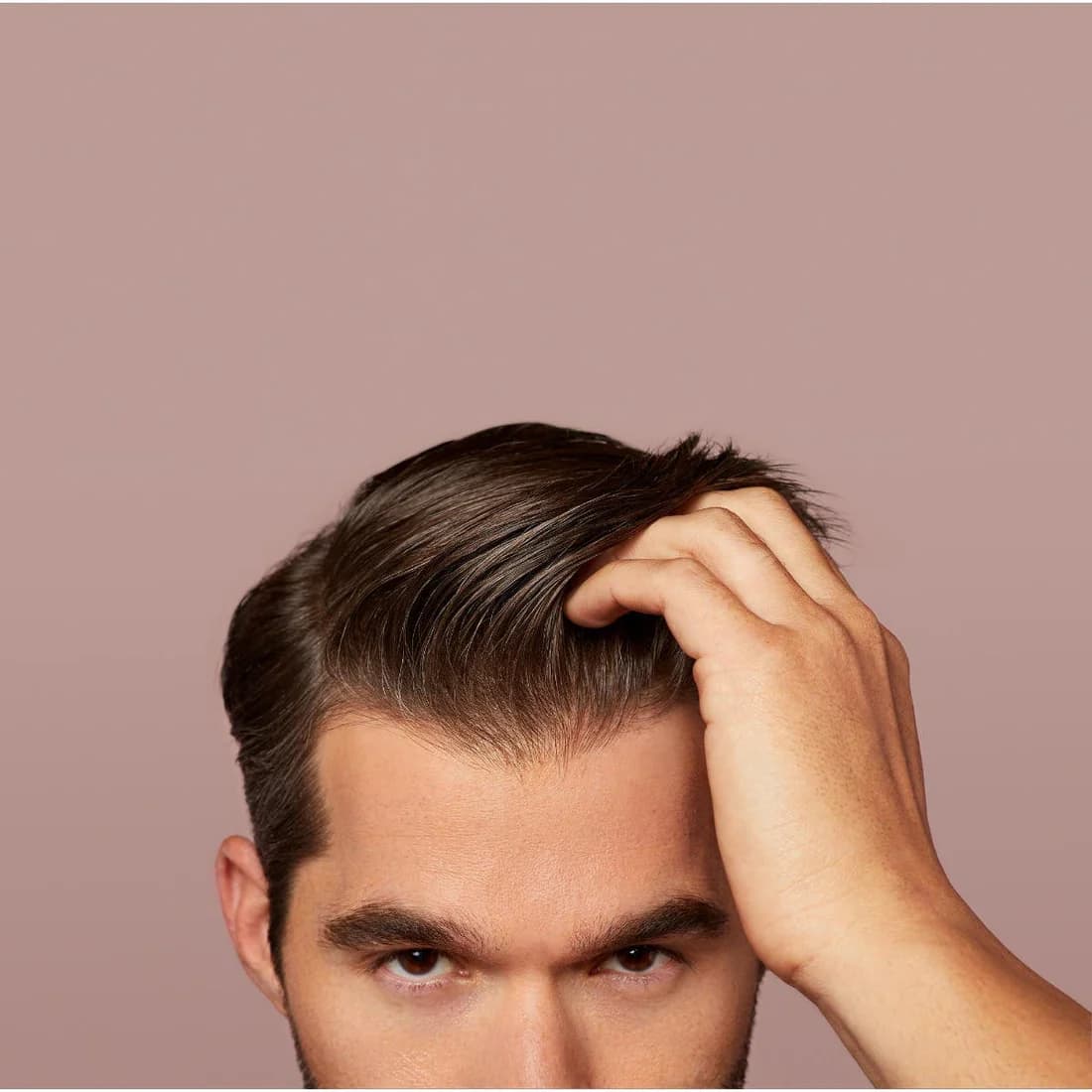
Regenerative support for thinning hair, scalp health, and post-transplant recovery
Plasma treatment is designed for patients who want to strengthen weaker follicles, improve scalp condition, and support healthier growth without surgery. It is commonly recommended for early thinning, periods of increased shedding, or as part of a recovery plan after a hair transplant.
What plasma treatment can help with
- Diffuse thinning where hair still exists but looks weaker, finer, or less dense.
- Seasonal shedding or stress-related drops in hair quality that need supportive treatment.
- Post-transplant recovery plans where the goal is to improve scalp condition and reinforce graft support.
- Patients looking for a lower-commitment option before deciding whether surgery is necessary.
Why patients choose plasma treatment
Non-surgical support
Sessions are brief, clinic-based, and typically fit patients who want a regenerative option without an operative procedure.
Scalp-quality focus
The treatment is commonly used to support circulation, scalp condition, and the environment around existing follicles.
Useful with aftercare plans
It can be scheduled alongside transplant recovery, medical therapy, or product-based maintenance when appropriate.
Who plasma treatment is best for
A clear consultation matters because plasma therapy works best when the goal is defined early, whether that means supporting recovery, slowing visible thinning, or strengthening an ongoing maintenance plan.
Good candidates
Plasma treatment is commonly considered when there is still active hair to support and the aim is to slow visible decline or strengthen recovery.
- Early or moderate thinning with existing follicles still present.
- Recent transplant patients who want extra scalp-support sessions during follow-up.
- Patients who prefer to start with a conservative treatment path before surgery.
Often combined with
The treatment usually works best inside a broader plan rather than as a standalone promise for every case.
- Post-transplant aftercare protocols and scheduled review visits.
- Hair-care products selected for scalp comfort and follicle support.
- Medical treatment plans when the doctor identifies an ongoing shedding pattern.
What to expect
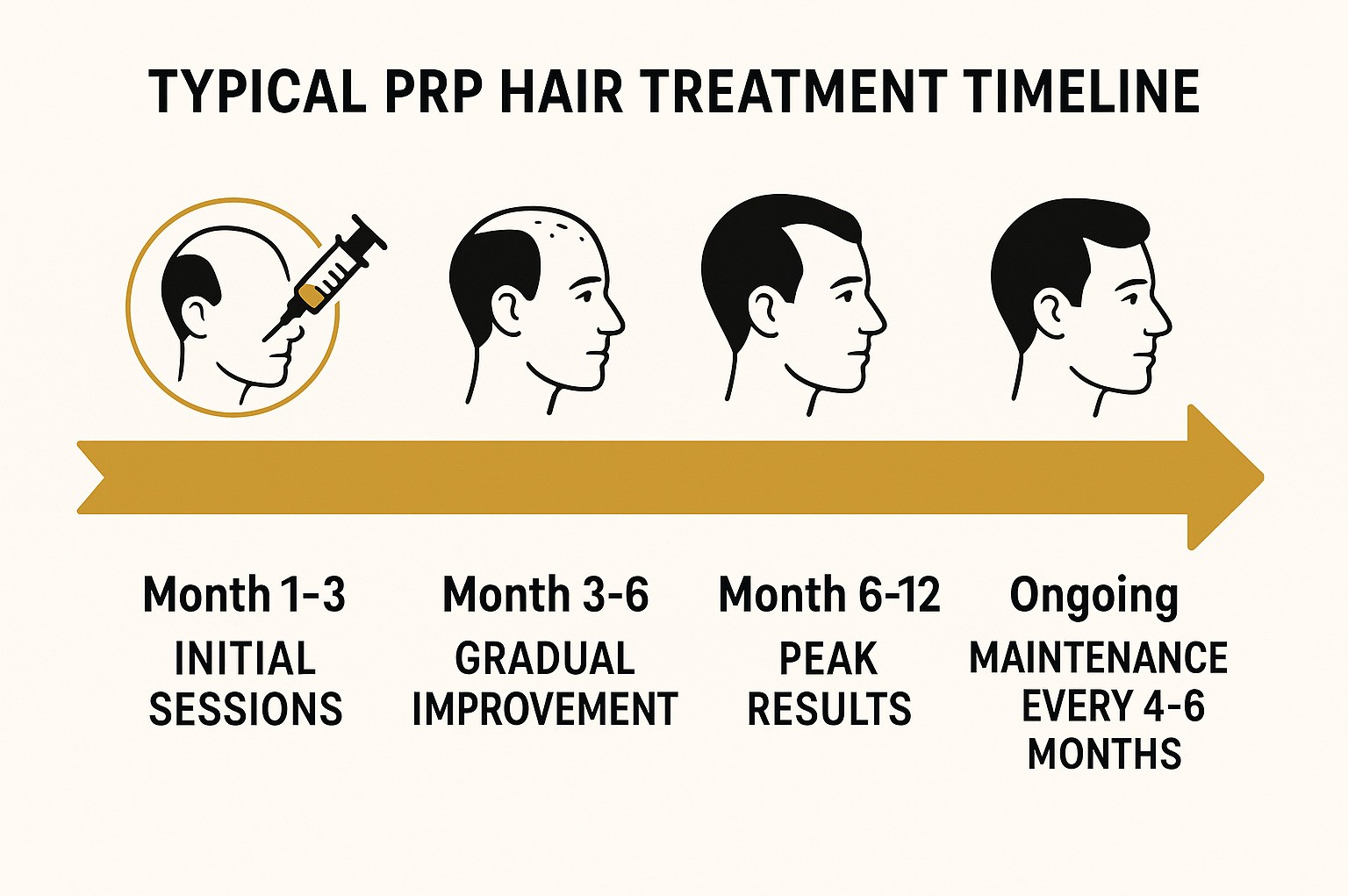
Results are gradual and should be discussed realistically during consultation so the treatment goal is clear from the start.
- A short in-clinic visit with limited downtime for most patients.
- A staged plan with repeat sessions rather than a one-time intervention.
- Monitoring of shedding, scalp response, and whether additional therapy is needed.
Your Plasma Treatment Journey
We position plasma therapy as a structured support treatment: assess the scalp carefully, define the target problem, schedule sessions in sequence, and review how the hair responds over time.
- 1
Consultation & Scalp Review
We assess your hair pattern, scalp condition, recent shedding history, and whether plasma treatment is suitable on its own or as part of a combined plan.
- 2
Session Planning
The care team defines how many sessions are likely to be useful, how far apart they should be, and what supportive products or medications may be relevant.
- 3
In-Clinic Treatment
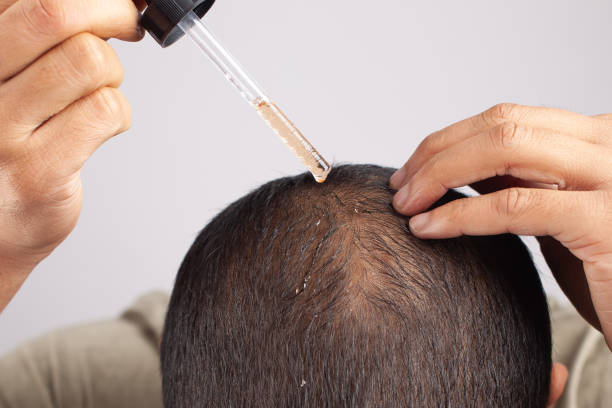
The session is performed in the clinic with a focus on comfort, clean technique, and a clear explanation of immediate aftercare.
- 4
Follow-up & Maintenance
We review progress, adjust the plan if needed, and decide whether maintenance sessions or additional therapies are appropriate.
How the session works

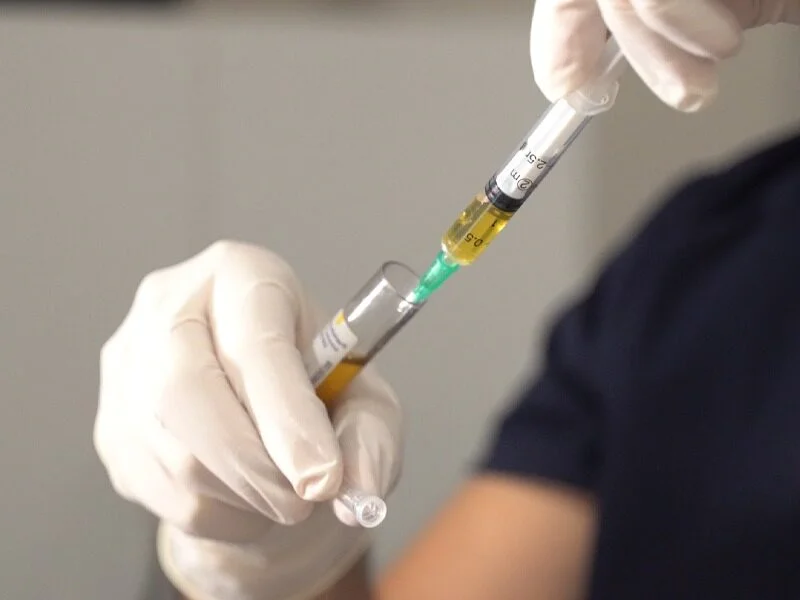
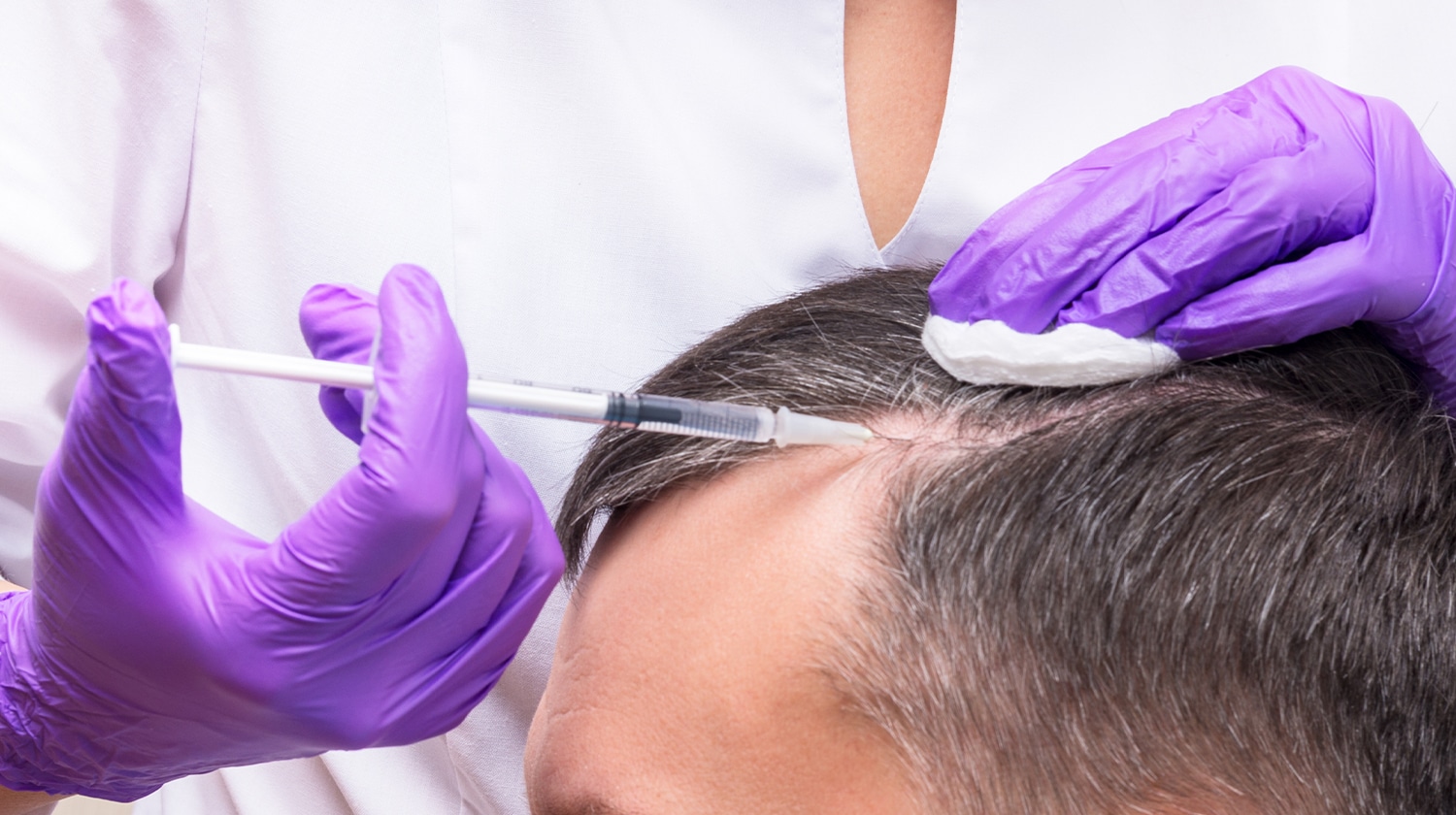

Plasma Treatment Gallery
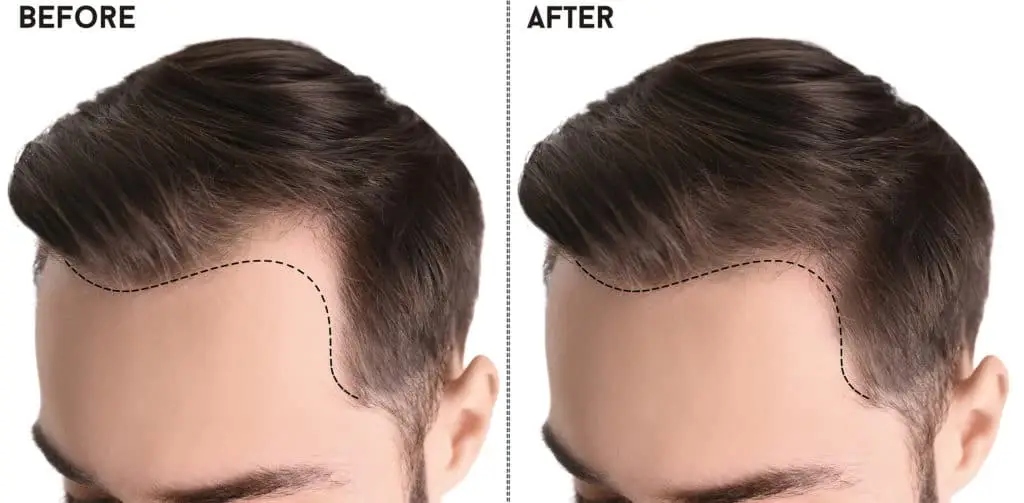
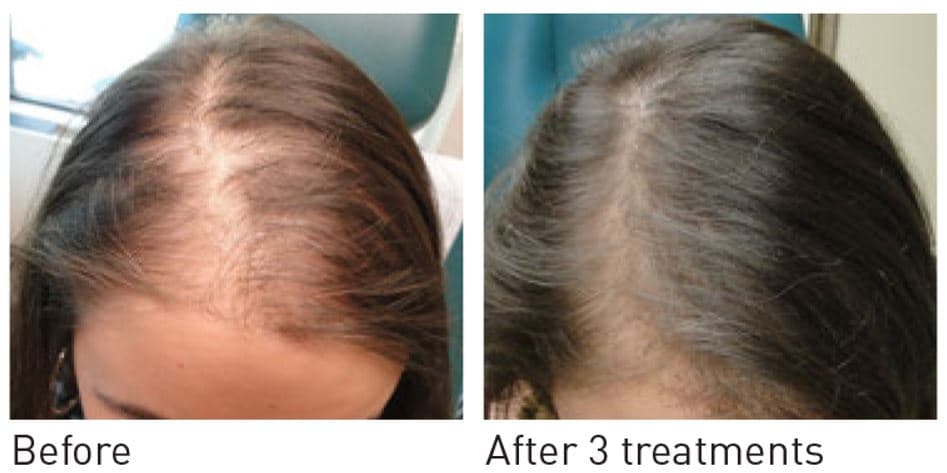
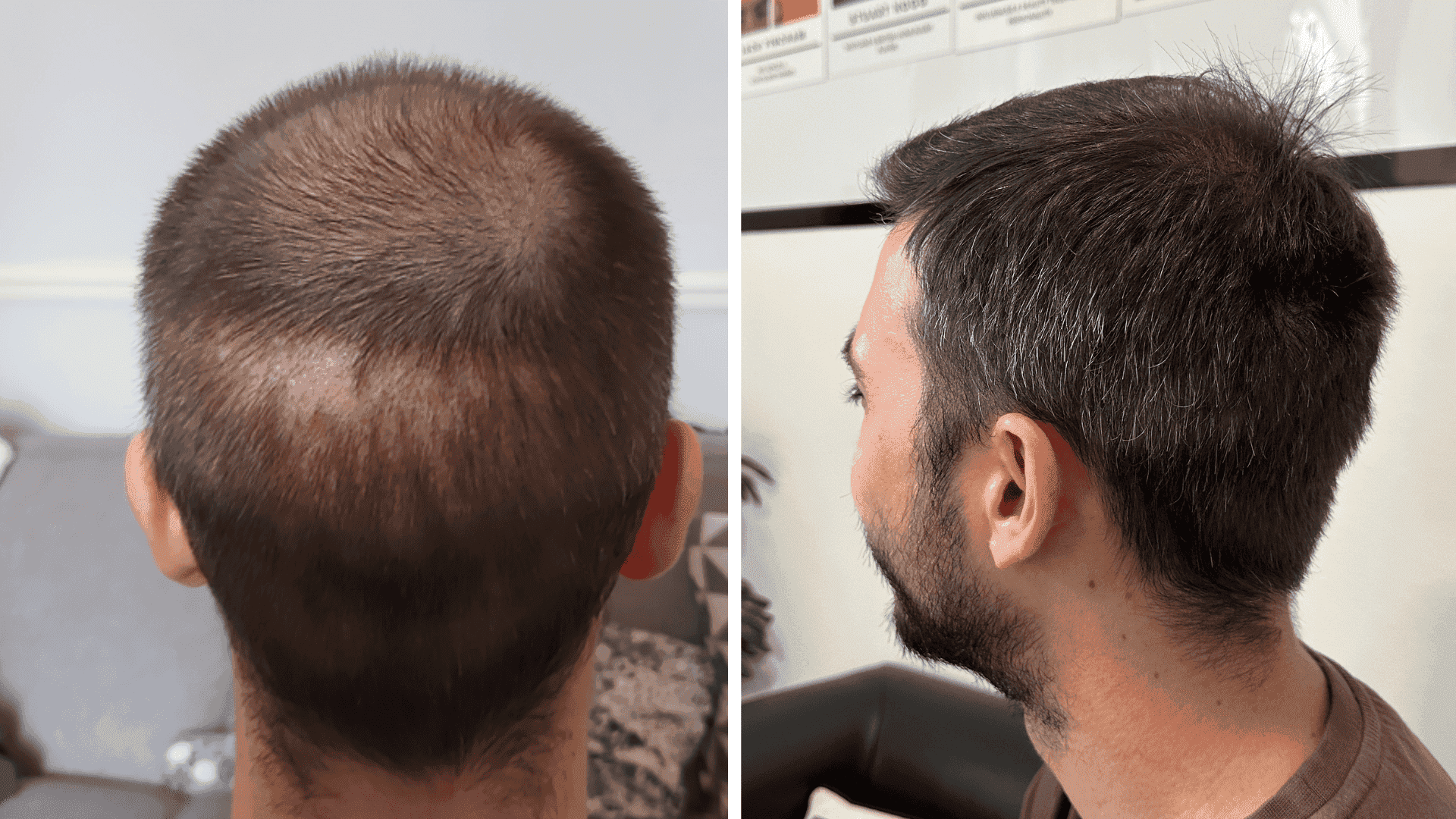
A visual overview of before and after results, scalp condition improvements, and patient experiences.
Ready to take the next step?
Contact us for a free consultation and a personalized plan. We’ll answer your questions and guide you throughout the process.